
Profit follows purpose
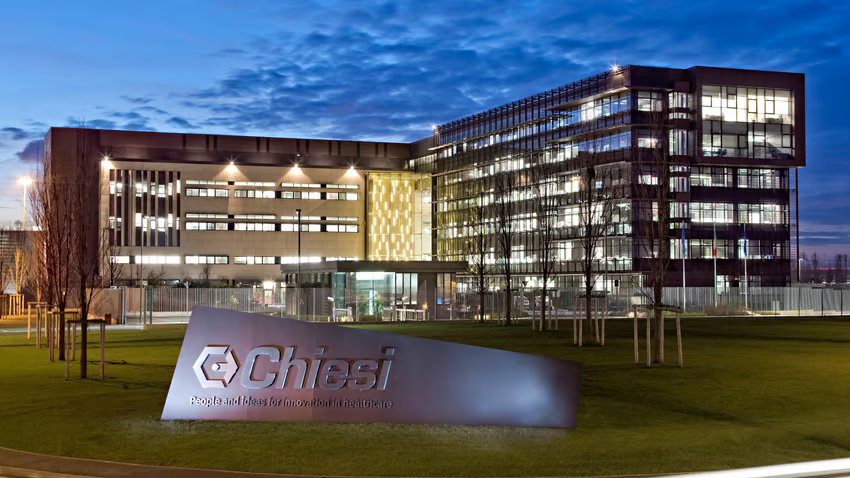
Unless you happen to be a student of the Italian pharmaceutical industry, you may not have heard of Chiesi Group, but they’re a fantastic example of how mission and purpose can drive great commercial success.
Founded in 1953 by Giacomo Chiesi as a small laboratory, it’s now a global company employing thousands of people. With a portfolio of medicines spanning respiratory disease, neonatal care and rare diseases, Chiesi remains family controlled, with 5 of the 9 directors (at time of writing) bearing Giacomo’s surname. As a result, the company’s perspective is long-term and its leaders are acutely aware of Chiesi’s place in the broader community. Both of these factors inform a truly distinctive corporate culture.
At the centre of everything Chiesi does is purpose, above profit and scientific discovery. In 2019, they became the largest Pharmaceutical to obtain a B Corp certification, awarded only to businesses that meet high standards of social and environmental performance, accountability and transparency. Becoming a B Corp required formally embedding Chiesi’s commitment to patients, employees, community and the planet into the company’s mission. When rebranding the company in the wake of their certification, Alberto Chiesi, President at the time, said in a press release, “We want to ensure that empathy is at the core of everything we do. Everyone at Chiesi needs to truly understand our patients’ needs and experience of managing chronic and rare conditions - day in, day out.”
This focus on patient experience is a defining feature of the Chiesi culture and is genuinely embedded into how the company works. Meetings often begin with patient testimonies, after which attendees reflect on how the meeting’s goals connect to real patient needs. Chiesi have dedicated Patient Advocacy and Patient Engagement teams that bring patient and caregiver input to activities like clinical trial design and medical education, and have even convinced the FDA to amend clinical trial protocols based on patient concerns and feedback.
Chiesi’s patient and purpose-centric culture has driven some of its biggest strategic decisions. In considering a move into rare diseases, they faced the same challenges as many others in the space: small patient populations, limited and incomplete data, complexities of trial recruitment and lack of policy support or clear regulatory pathways. Rather than shirking from the task, though, they partnered with specialist insights company IQVIA to commission a public health study, discovering that rare diseases, when taken collectively, aren’t so rare - they account for 8.4 million patients in the US alone, contributing an annual medical burden of over $2 trillion when left untreated. Chiesi used these insights to lobby policymakers and push for long-term, systemic change. Rather than identifying the fastest ROI, their outlook meant focusing on the right thing to do for patients, a mentality also reflected in how Chiesi run clinical trials - rather than settling for the smallest studies required for approvals, clinical teams at Chiesi design comprehensive trials to ensure that the drugs being tested truly demonstrate real world benefit over medicines that already exist.
Another example of Chiesi’s culture at work comes from the company’s approach to reducing the environmental impact of its products. In respiratory medicine, many inhaler devices use HFC propellants that contribute to greenhouse gas emissions. As part of Chiesi’s B Corp pledge to care for the planet, why invested €350m into developing a new low-global-warming propellant to replace the industry standard. Their “green inhalers” are projected to cut the carbon footprint of their inhaler line by 90%, with the devices currently in Phase III clinical trials. Very few Pharmaceutical companies would be willing to invest so heavily into an area that doesn’t directly lead to new drug approvals, but Chiesi feel a duty to “take care of our planet and the people who inhabit it”, says Giacomo Chiesi, grandson of the original founder.
Chiesi’s efforts have by no means come at the expense of their effectiveness. With 10 currently marketed medicines, in 2023 their revenue passed the €3bn mark, representing 12% year-over-year growth, with an EBITDA of €839m (a 27.7% margin). As well as impressive financial performance, though perhaps not unrelated, people love working at Chiesi, with 91% of employees rating it as a great place to work. By staying focused on the long term, pursuing areas in which it can have real patient impact and taking its position as a global citizen seriously, Chiesi has seen steady, consistent growth while remaining privately owned and mission focused.
While there’s limited research on the topic, the studies that exist show a clear link between performance and a well-understood, impactful mission and purpose consistently drive better business performance. It’s not just about doing the right thing, but about laying the foundations for high performance. So, as we head into the second half of 2026, it’s worth considering whether your company’s mission and purpose need refining, refreshing or revitalising.
(P.S. If you know someone who needs to read this today, send it to them and encourage them to subscribe to the Versapiens blog. If you haven’t subscribed yet, come join us on our journey through the intersection between culture, technology and business.)